


Metal Roofing Machine: A Comprehensive Guide
Investing in a high-quality metal roofing machine is crucial for any business involved in construction, roofing, or metal fabrication. These machines streamline the roofing process, reduce labor costs, and ensure consistent, high-quality results. This article provides a detailed overview of metal roofing machines, covering types, features, applications, and considerations for choosing the right machine for your needs. Understanding the capabilities and benefits of these machines is essential for maximizing efficiency and profitability in your roofing operations.
Types of Metal Roofing Machines
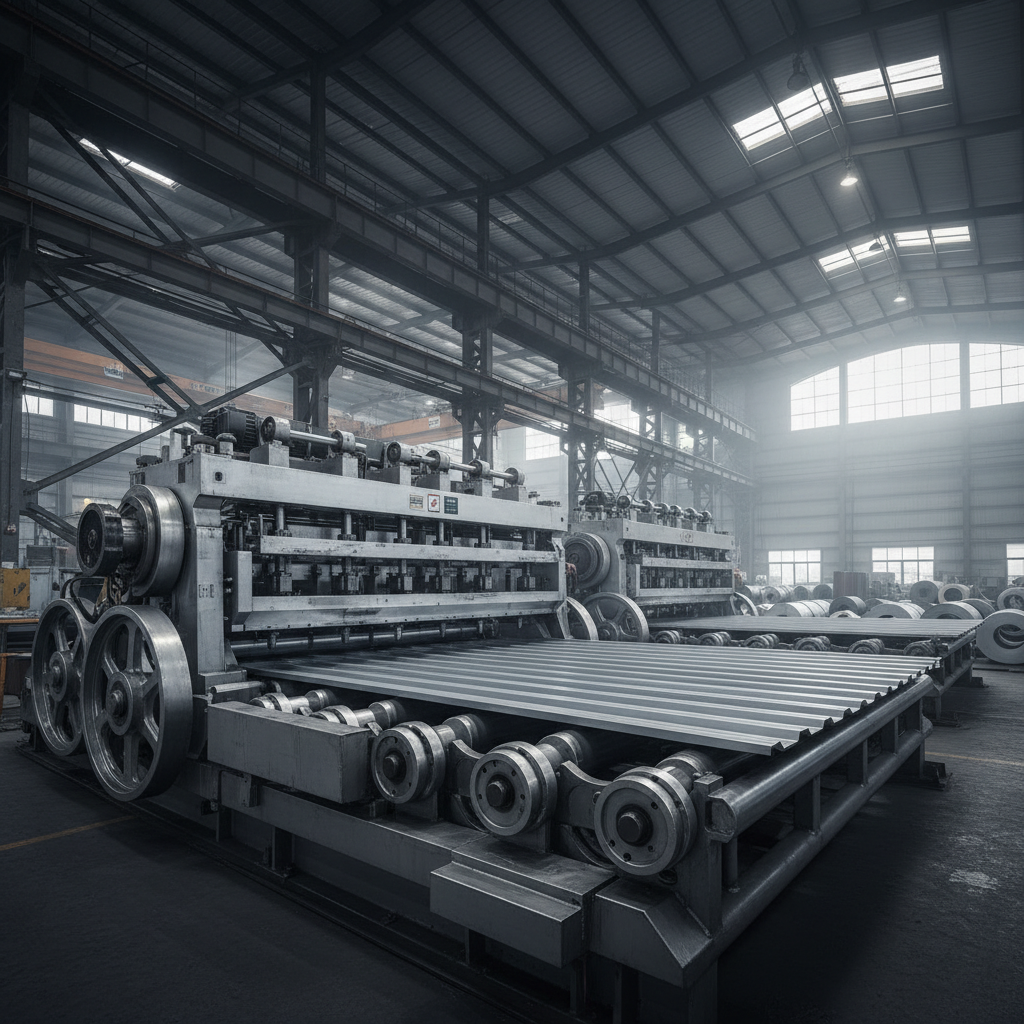
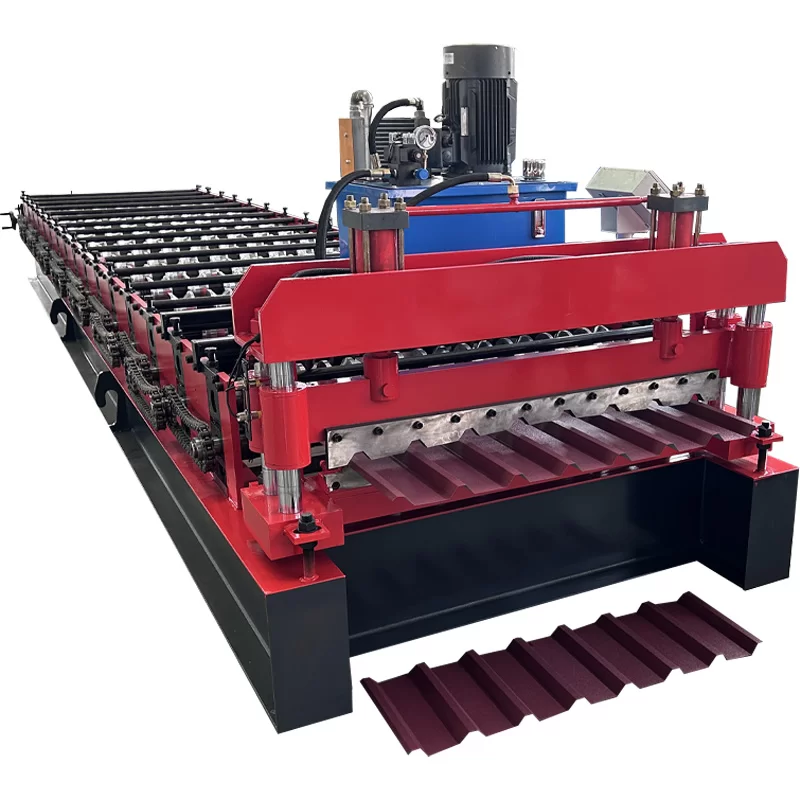
There are several types of metal roofing machines available, each designed for specific roofing profiles and production volumes. The most common types include roll forming machines, tile forming machines, and panel forming machines. Roll forming machines are versatile and can produce a wide range of profiles by continuously bending metal sheets. Tile forming machines specialize in creating interlocking metal tiles, often used for residential roofing. Panel forming machines produce large, flat metal panels ideal for commercial and industrial applications. Choosing the right type depends on your target market, product offerings, and production requirements.
Key Highlights: Understanding the different types of metal roofing machines allows businesses to select the equipment that best aligns with their specific roofing needs and project requirements.
Key Features to Consider When Purchasing a Metal Roofing Machine
When investing in a metal roofing machine, several features are essential to consider. Production speed determines the output volume, critical for meeting project deadlines. Profile versatility allows for creating diverse roofing styles, catering to a wider range of clients. Material compatibility ensures the machine can handle different metal gauges and types. Automation level impacts labor costs and production efficiency. Durability and reliability guarantee long-term performance and minimize downtime. Finally, consider the ease of operation and maintenance to reduce training time and upkeep expenses. A machine with these features will provide a strong return on investment.
Essential Features:
• High production speed for efficient output.
• Versatility in profile creation for diverse roofing styles.
• Compatibility with various metal gauges and types.
• Robust construction for long-term reliability.
Metal Roofing Machine: Roll Forming vs. Tile Forming
Choosing between a roll forming machine and a tile forming machine depends heavily on the type of roofing you intend to produce. Roll forming machines offer greater flexibility, capable of creating various profiles like corrugated, trapezoidal, and ribbed panels. Tile forming machines, on the other hand, are specialized for creating interlocking metal tiles that mimic the appearance of traditional roofing materials. Consider your target market and the demand for different roofing styles before making a decision.
Applications of Metal Roofing Machines
Metal roofing machines are employed in a diverse range of construction projects. Residential roofing benefits from the aesthetic appeal and durability of metal roofs created by tile and roll forming machines. Commercial and industrial buildings utilize metal panels for their strength, fire resistance, and longevity. Agricultural structures, like barns and warehouses, rely on cost-effective metal roofing solutions produced by high-speed roll forming machines. Furthermore, metal roofing is increasingly popular for architectural projects demanding unique and custom designs.
Choosing the Right Metal Roofing Machine: A Checklist
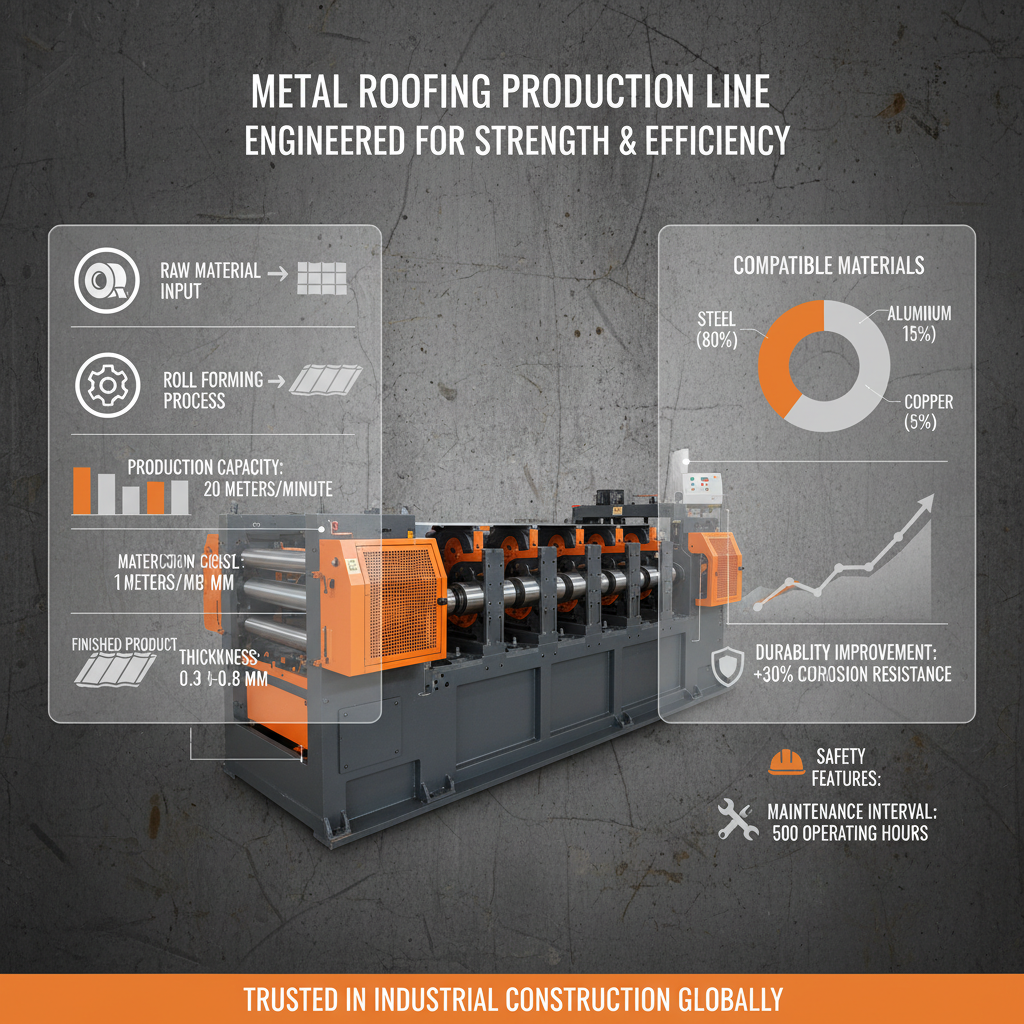
Selecting the appropriate metal roofing machine requires careful consideration. First, define your production needs and target market. Then, assess the required profile versatility and material compatibility. Evaluate the automation level and production speed to optimize efficiency. Don’t forget to factor in the budget and ongoing maintenance costs. Finally, choose a reputable supplier like Hyroll Forming Machine that offers reliable equipment and excellent customer support.
Conclusion: Investing in Efficiency with the Right Machine
Investing in the right metal roofing machine is a strategic decision that can significantly enhance your business's productivity and profitability. By carefully evaluating your needs, researching available options, and choosing a reputable supplier, you can ensure a smooth and successful implementation. Don't compromise on quality – choose a machine that will deliver reliable performance for years to come.
Frequently Asked Questions (FAQs)
What is the typical lead time for delivery of a metal roofing machine?
The lead time for delivery varies depending on the machine’s complexity, customization requirements, and the manufacturer's current production schedule. Generally, standard machines may have a lead time of 4-8 weeks, while customized machines can take 8-12 weeks or longer. It's crucial to discuss the delivery timeframe with the supplier during the ordering process to plan your projects accordingly. Hyroll Forming Machine strives to provide accurate and timely delivery estimates to its clients.
What kind of maintenance is required for a metal roofing machine?
Regular maintenance is essential for ensuring the longevity and optimal performance of your metal roofing machine. This includes daily lubrication of moving parts, regular inspection of the rollers and dies for wear, and periodic cleaning to remove metal debris. It's also important to check and tighten all bolts and connections. Following the manufacturer’s maintenance schedule is crucial. Consider a preventative maintenance plan to avoid costly downtime.
Do you offer training with the purchase of a metal roofing machine?
Yes, Hyroll Forming Machine provides comprehensive training to ensure your operators are fully proficient in using the machine. Training can be conducted at our facility or, in some cases, on-site. We cover machine operation, maintenance procedures, and troubleshooting techniques. Proper training maximizes machine efficiency and minimizes the risk of accidents or damage.
What warranty options are available?
We offer a standard warranty on all our metal roofing machines, typically covering defects in materials and workmanship for a period of one year. Extended warranty options are also available for added peace of mind. The warranty covers parts and labor for repairs deemed necessary by our technicians. Please refer to our warranty documentation for specific terms and conditions.
-
 Apr 17,26
 -
 Apr 16,26


