



Roofing Sheet Making Machine: A Comprehensive Guide
The demand for durable and cost-effective roofing solutions is consistently growing globally. At the heart of meeting this demand lies the roofing sheet making machine, a crucial piece of equipment for manufacturers. This article explores the intricacies of these machines, their types, applications, and factors to consider when choosing the right one for your business. Understanding the capabilities of a roofing sheet making machine is vital for ensuring efficient production and high-quality output. We'll delve into the specifics to help you make an informed decision.
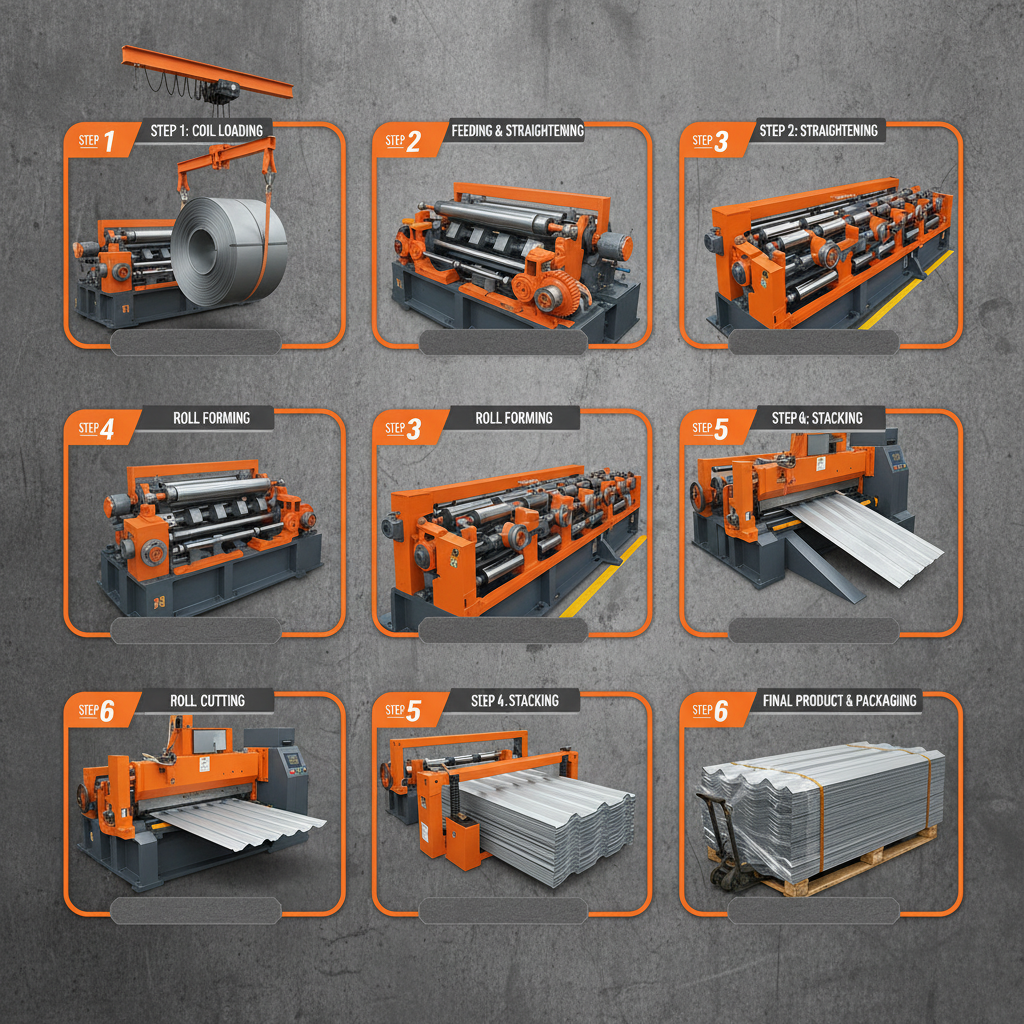
Understanding the Roofing Sheet Making Machine
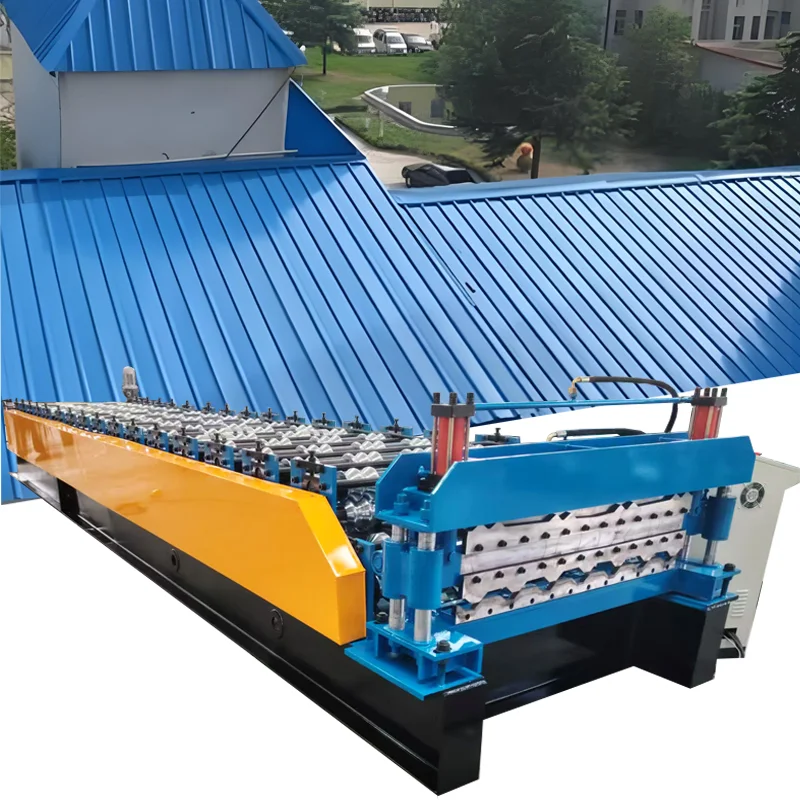
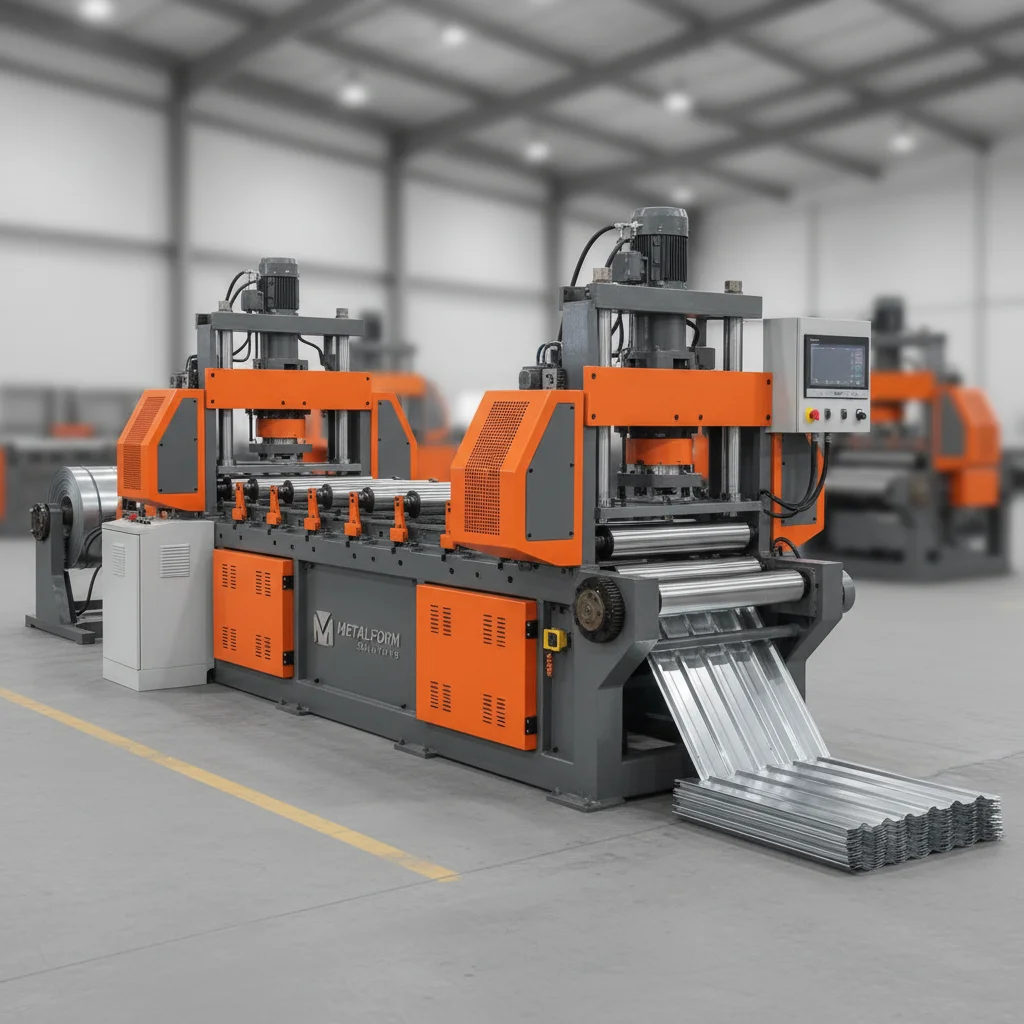
A roofing sheet making machine, also known as a roll forming machine, is designed to continuously bend and shape metal coils (typically steel or aluminum) into various roofing sheet profiles. These profiles can range from simple corrugated sheets to more complex tile-effect or sandwich panel designs. The process involves passing the metal coil through a series of rollers, each of which incrementally shapes the metal until the desired profile is achieved. These machines are essential for businesses producing roofing materials for residential, commercial, and industrial construction. The core function is to take raw material and efficiently convert it into usable, weather-resistant roofing sheets.
Key Benefit: Increased efficiency and reduced labor costs compared to traditional roofing sheet production methods.
Types of Roofing Sheet Making Machines
Several types of roofing sheet making machines cater to different production needs and roofing profiles. The most common include:
Single Corrugation Machine: Produces simple corrugated roofing sheets.
Double Corrugation Machine: Creates sheets with a double corrugated profile, offering increased strength.
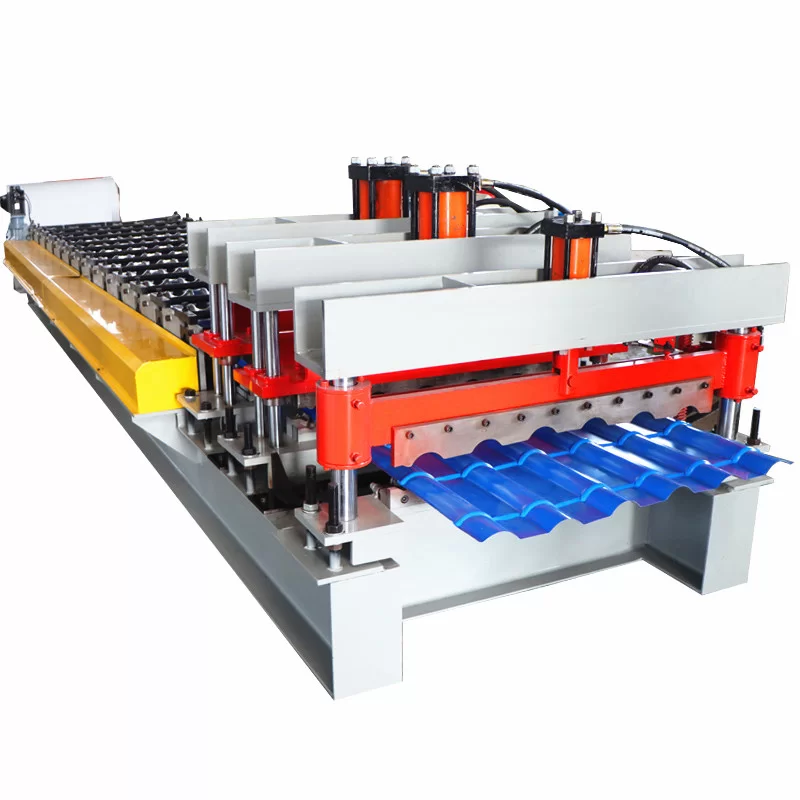
Tile Profile Machine: Forms roofing sheets that mimic the appearance of traditional tiles.
Glazed Tile Profile Machine: Produces roofing sheets with a glazed tile appearance.
Sandwich Panel Line: Creates insulated sandwich panels with a core material like polyurethane (PU) or expanded polystyrene (EPS).
The selection of the right type of machine depends on the specific roofing profiles your business intends to manufacture and the target market you're serving.
Key Considerations When Choosing:
• Production Volume
• Roofing Profile Types
• Material Thickness
• Level of Automation
Key Components of a Roofing Sheet Making Machine
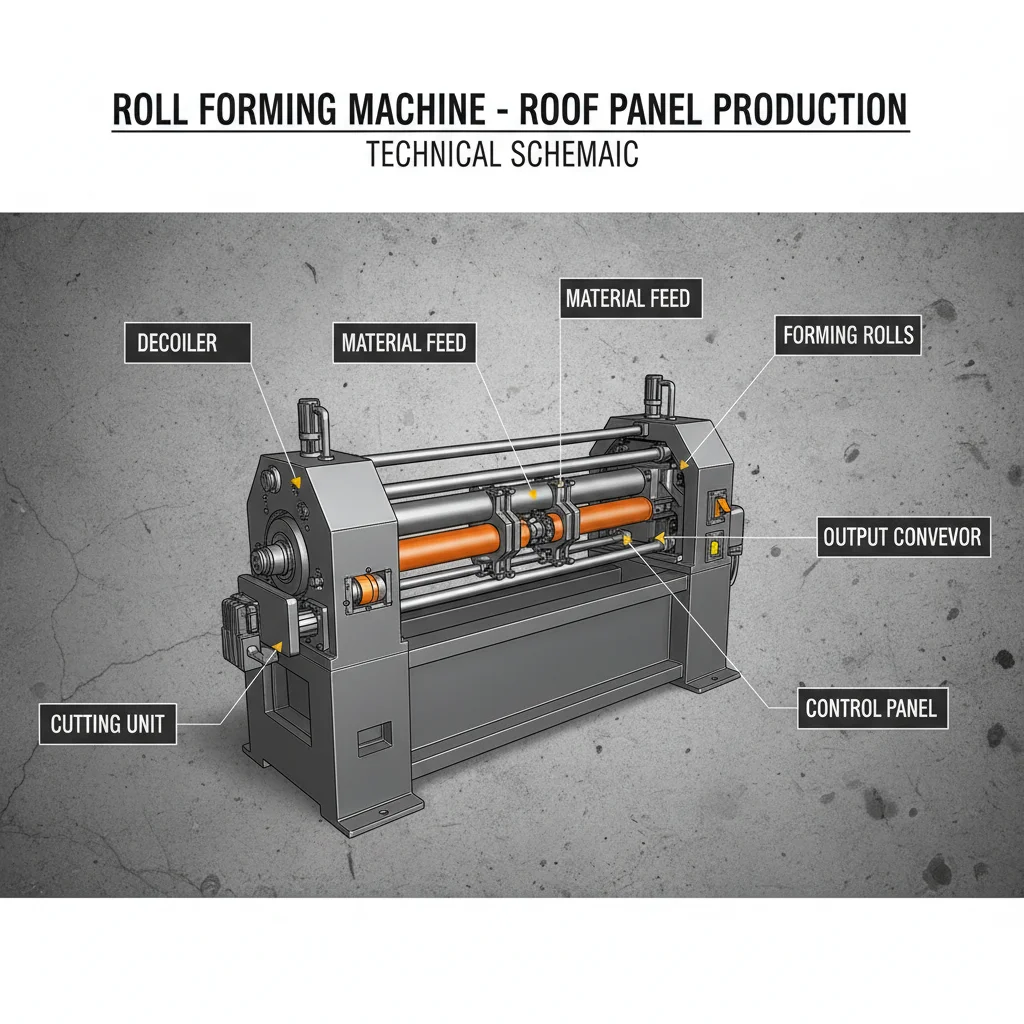
A typical roofing sheet making machine comprises several key components that work in synergy to produce high-quality roofing sheets. These include:
Uncoiler: Holds and feeds the metal coil into the machine.
Leveling Unit: Ensures the metal coil is flat and free of bends.
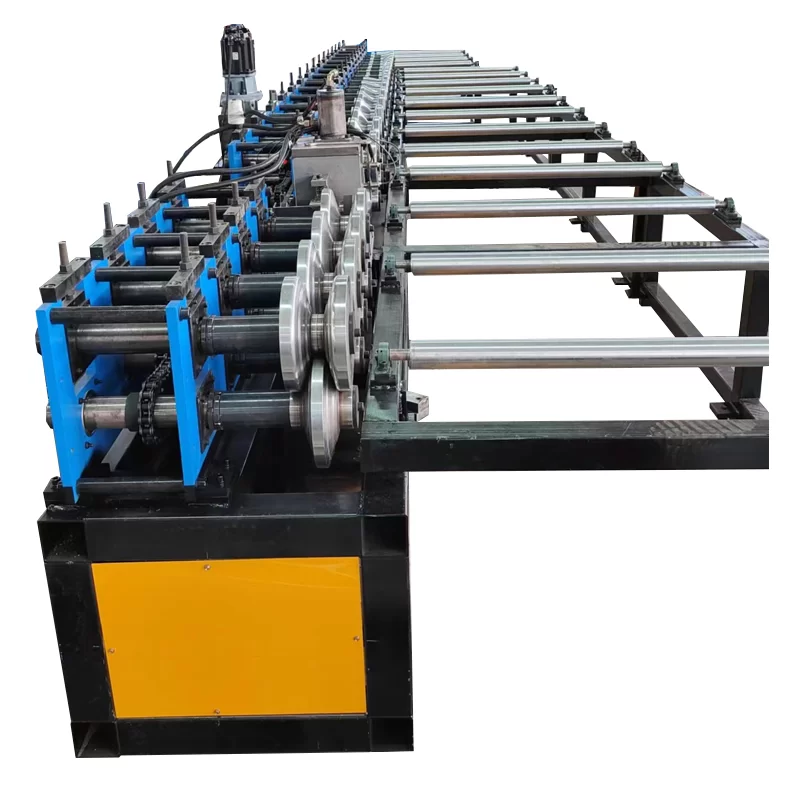
Roll Forming Section: The core of the machine, consisting of a series of rollers that shape the metal.
Cutting Unit: Precisely cuts the formed sheets to the desired length.
Stacker: Automatically stacks the finished sheets for easy handling.
Control System: Manages and controls the entire process, often utilizing PLC (Programmable Logic Controller) technology.
Each component plays a crucial role in the overall efficiency and accuracy of the production process.
Roofing Sheet Making Machine: Comparing Different Models
Choosing the right model depends largely on your production goals and budget. Here’s a comparative overview of different machine capabilities:
Applications Across Industries
Roofing sheet making machines are vital for various industries. The construction sector is the primary user, relying on these machines for producing roofing materials for residential, commercial, and industrial buildings. Agricultural applications benefit from durable roofing for barns and storage facilities. Additionally, manufacturers of prefabricated buildings utilize these machines to produce complete building components. The versatility of these machines makes them a cornerstone of modern building material production.
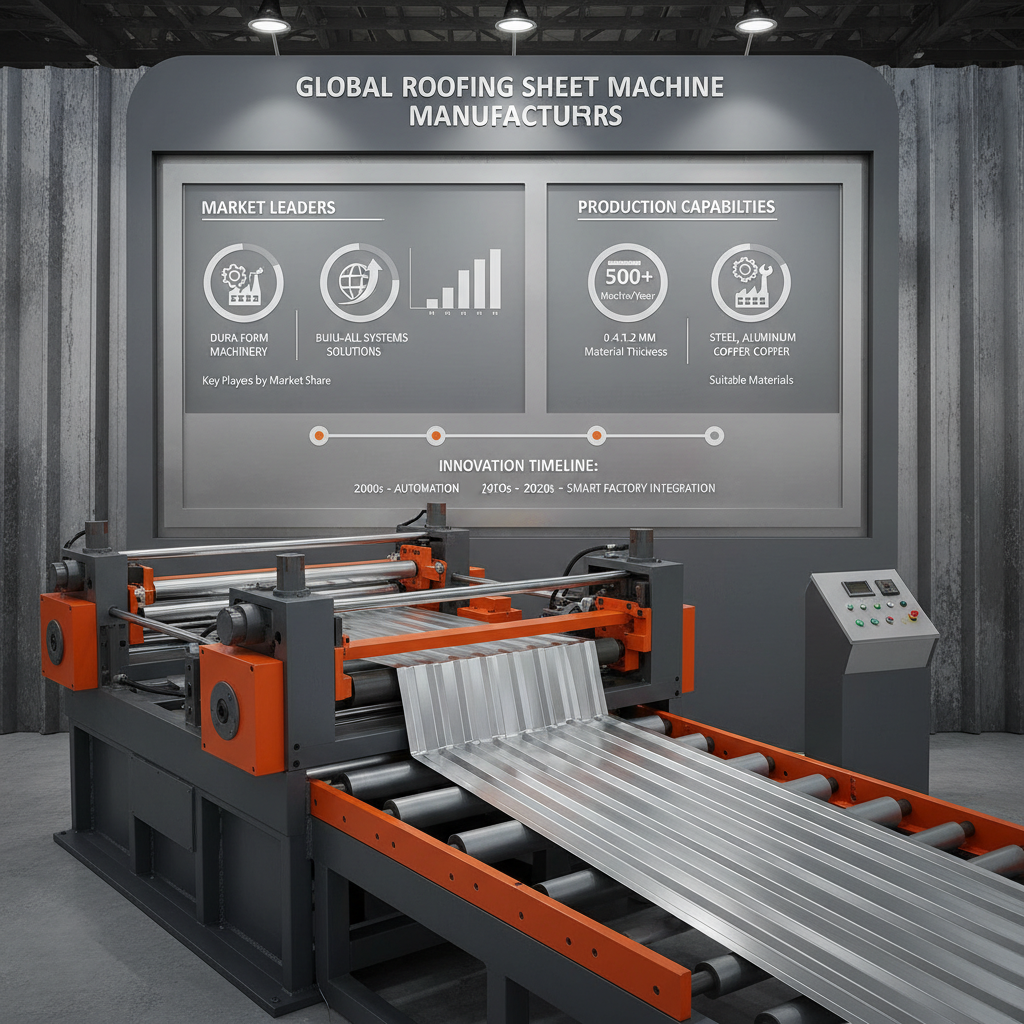
Conclusion: Investing in a Roofing Sheet Making Machine
Investing in a roofing sheet making machine represents a significant step towards optimizing production, enhancing product quality, and gaining a competitive edge in the roofing materials market. Choosing the right machine requires careful consideration of your production needs, budget, and the types of roofing sheets you intend to manufacture. With the right machine, your business can efficiently meet the growing demand for durable and cost-effective roofing solutions.
Frequently Asked Questions (FAQs)
What type of material can a roofing sheet making machine process?
Most roofing sheet making machines are designed to process galvanized steel, galvalume steel, and aluminum coils. The thickness of the material typically ranges from 0.3mm to 0.8mm, but this can vary depending on the machine’s specifications. Some machines can also handle stainless steel, though this may require specialized tooling and adjustments. The choice of material impacts the final product’s corrosion resistance, weight, and cost.
What level of automation is available?
Roofing sheet making machines are available with varying levels of automation. Basic models require manual operation for tasks like coil loading and sheet stacking. Semi-automatic machines automate some processes, such as cutting and stacking, while fully automatic lines feature complete automation, including coil loading, forming, cutting, and stacking. The level of automation impacts production efficiency, labor costs, and the overall investment.
What maintenance is required for a roofing sheet making machine?
Regular maintenance is crucial for ensuring the longevity and optimal performance of a roofing sheet making machine. This includes lubricating moving parts, inspecting rollers for wear, cleaning the machine to remove debris, and checking electrical connections. It's also important to periodically inspect and replace worn parts, such as cutting blades and bearings. Following the manufacturer’s maintenance schedule is highly recommended.
What is the typical lead time for delivery?
The lead time for delivery of a roofing sheet making machine typically ranges from 30 to 90 days, depending on the complexity of the machine, the manufacturer’s production schedule, and shipping distance. Customized machines or lines with specific requirements may have longer lead times. It’s crucial to discuss delivery timelines with the manufacturer upfront to ensure your production schedule aligns with the machine’s arrival.
-
 Apr 17,26
 -
 Apr 16,26


