The demand for durable and efficient roofing solutions is steadily increasing worldwide, driven by factors like rapid urbanization, infrastructure development in emerging economies, and a growing need for structures that can withstand increasingly severe weather events. At the heart of this need lies the ibr roof sheet making machine – a crucial piece of equipment transforming raw materials into robust roofing sheets used in everything from warehouses and factories to residential buildings and agricultural structures. Understanding this machinery, its capabilities, and its impact is vital for architects, engineers, construction companies, and anyone involved in building design and material sourcing. ibr roof sheet making machine is not just about manufacturing; it’s about providing shelter, enabling economic growth, and building a more resilient future.
The global construction industry is a multi-trillion-dollar market, and the roofing sector represents a significant portion of this. According to a report by Allied Market Research, the global roofing materials market was valued at $118.6 billion in 2022 and is projected to reach $171.3 billion by 2032. Within this, ibr (improved beaded profile) roofing sheets are particularly popular in regions with challenging climates and a need for cost-effective solutions. However, sourcing these sheets can be problematic, facing issues with lead times, quality control, and price fluctuations. This is where having the capacity to produce these sheets in-house, with an ibr roof sheet making machine, becomes an incredibly strategic advantage.
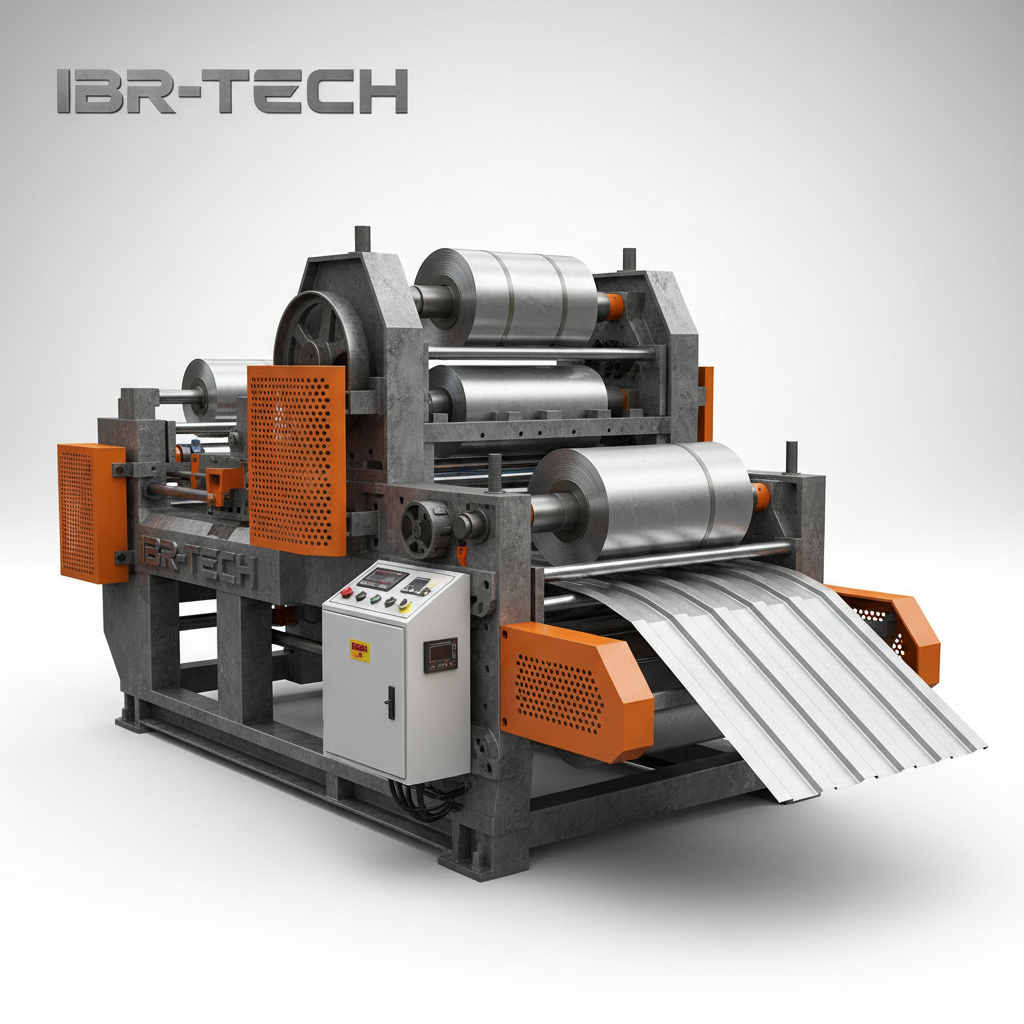
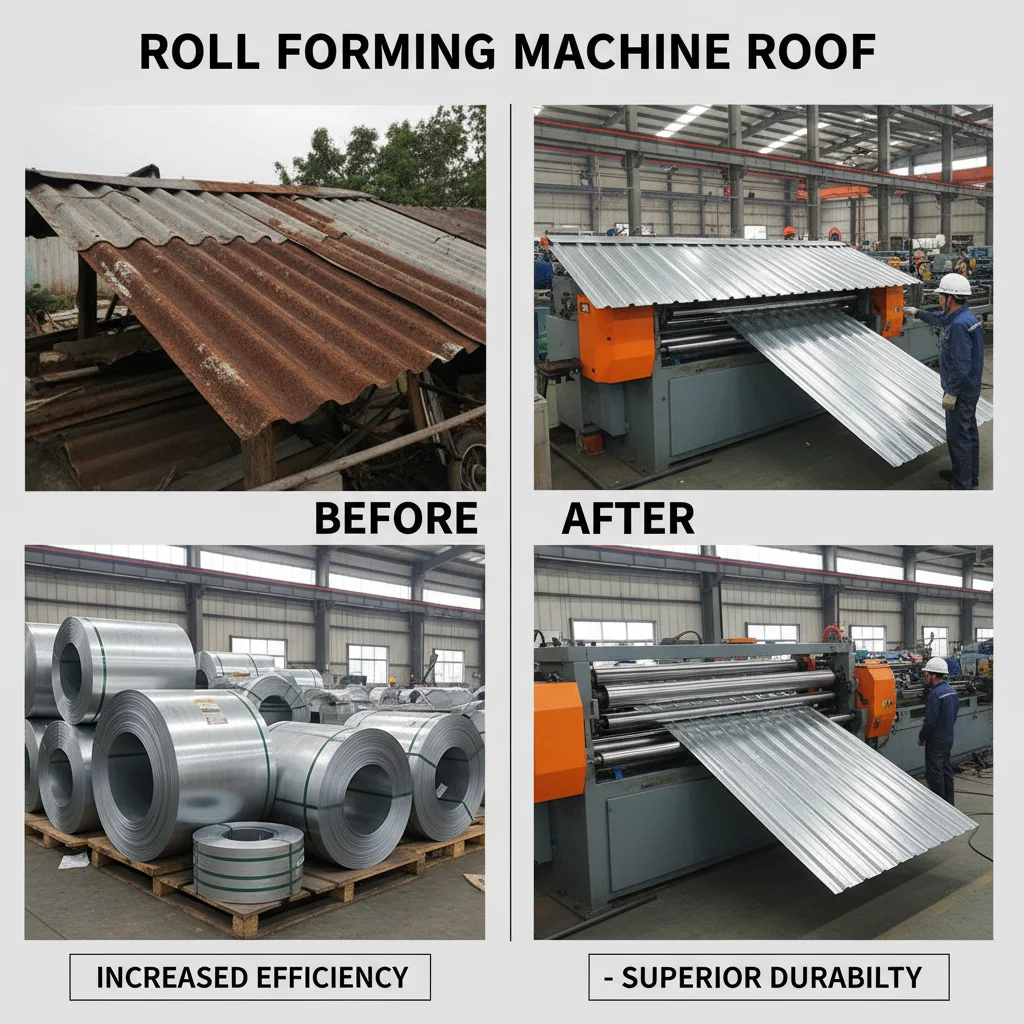
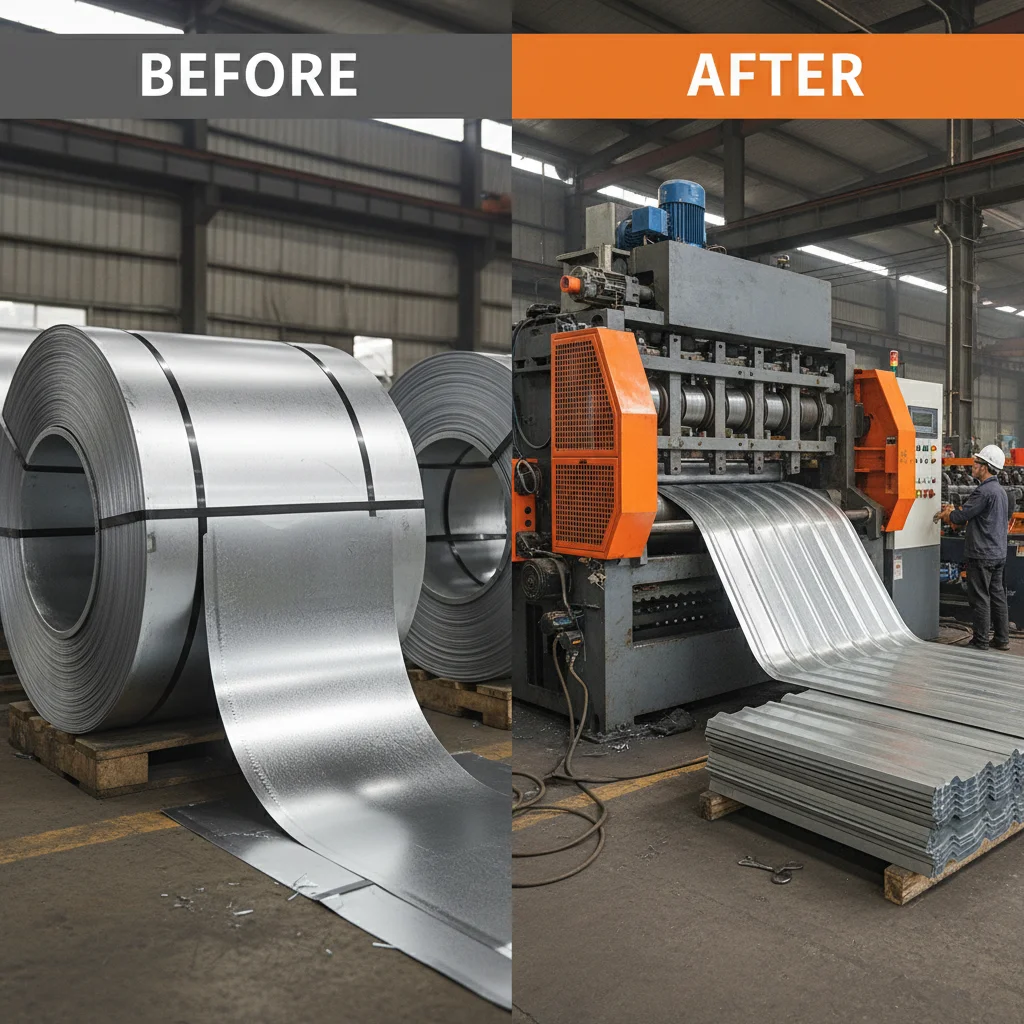
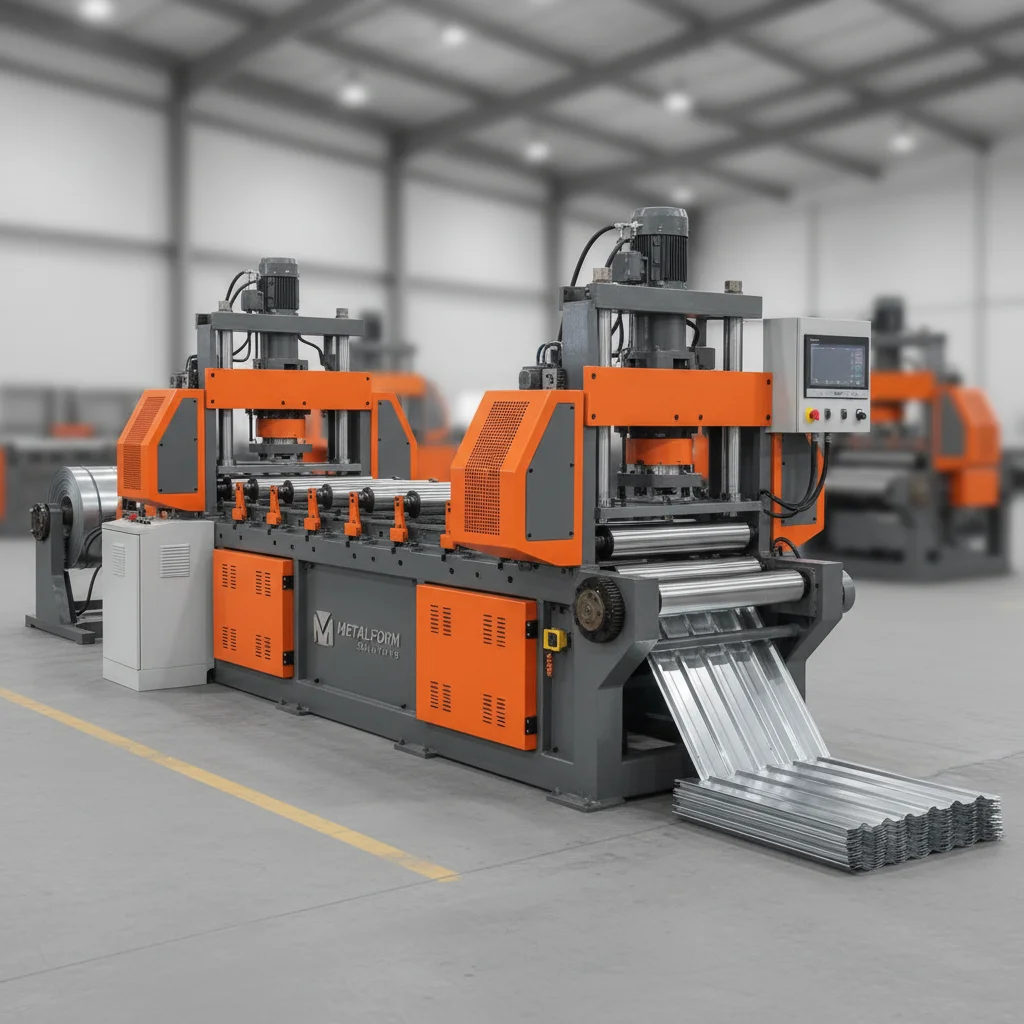
Simply put, an ibr roof sheet making machine is a sophisticated system designed to continuously roll-form steel coils into the distinctive corrugated profile of ibr roofing sheets. It's not a single machine, but a series of interconnected components – uncoilers, leveling units, roll forming stations, cutting systems, and stackers – all working in harmony to produce consistently high-quality sheets. Its importance extends beyond just providing a roofing material; it's about providing a locally sourced, readily available solution, crucial for projects ranging from disaster relief housing to large-scale industrial projects. In essence, it’s about self-sufficiency and control over a critical building component.
The Global Importance of ibr Roof Sheet Making Machine
From the dusty construction sites in Africa to the rapidly expanding industrial zones of Southeast Asia, the need for affordable, durable roofing is universal. The ibr roof sheet making machine addresses this need directly. It allows local manufacturers to reduce reliance on imports, control production costs, and respond quickly to fluctuating demand. I've seen firsthand how these machines empower communities, creating jobs and fostering economic independence. The machines aren't just metal benders; they're engines of opportunity.
Consider the impact in disaster-prone areas. After a hurricane or earthquake, the immediate need is shelter. Having a local capacity to produce ibr roofing sheets drastically reduces response times, getting people under sturdy, weatherproof roofs much faster than relying on external aid shipments. It’s about resilience, and an ibr roof sheet making machine is a cornerstone of that resilience.
Defining the ibr Roof Sheet Making Machine
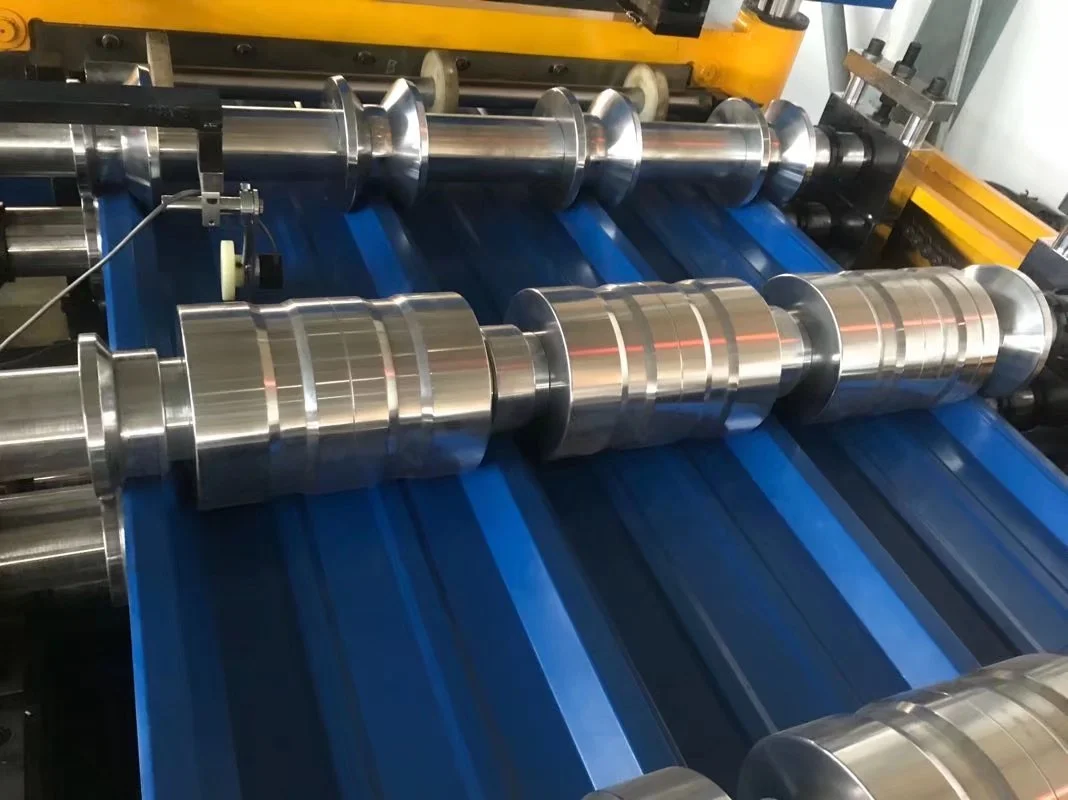
At its core, the ibr roof sheet making machine takes flat steel coils – typically galvanized or color-coated – and transforms them through a continuous process called roll forming. Imagine feeding a flat sheet of metal through a series of shaped rollers; each roller incrementally bends the metal closer to the final ibr profile. It’s a beautifully engineered process, and when running smoothly, it’s a sight to behold. ibr roof sheet making machine is built to produce a specific profile – the ‘improved beaded’ design – offering enhanced strength and water runoff compared to older corrugated sheet designs.
The machine isn’t just about forming the shape, though. It also incorporates precise cutting mechanisms to ensure consistent sheet lengths, and stacking systems to efficiently organize the finished product. Modern machines are often computer-controlled, allowing for adjustments to sheet length, profile parameters, and production speed. This level of automation is crucial for maintaining quality and maximizing efficiency.
It’s important to understand that this machinery isn’t a luxury; it’s a fundamental component of modern construction. From agricultural buildings protecting valuable crops to industrial warehouses storing vital goods, ibr roofing sheets provide reliable and cost-effective protection. The ibr roof sheet making machine ensures that supply keeps pace with demand.
Core Components and Operational Factors
Several key components determine the performance and longevity of an ibr roof sheet making machine. The uncoiler, responsible for feeding the steel coil into the system, must be robust and capable of handling varying coil weights. The leveling unit ensures the steel is flat and free of imperfections before entering the roll forming section. The roll forming stations themselves, each with precisely engineered rollers, are the heart of the operation.
Operational factors are just as crucial. Steel grade and thickness directly impact the final product’s strength and durability. Machine maintenance – regular lubrication, roller inspections, and alignment checks – is non-negotiable. Skilled operators are essential; understanding the machine’s controls and being able to troubleshoot minor issues can prevent costly downtime. I’ve seen too many machines sidelined due to a simple lack of preventative maintenance.
Finally, the cutting system, whether it’s a shear or a flying saw, needs to be precise to minimize waste and ensure accurate sheet lengths. The stacking system should be automated to handle the output efficiently and prevent damage to the finished sheets. All these aspects come together to guarantee reliable and continuous ibr sheet production.
Key Performance Indicators of ibr Roof Sheet Making Machine
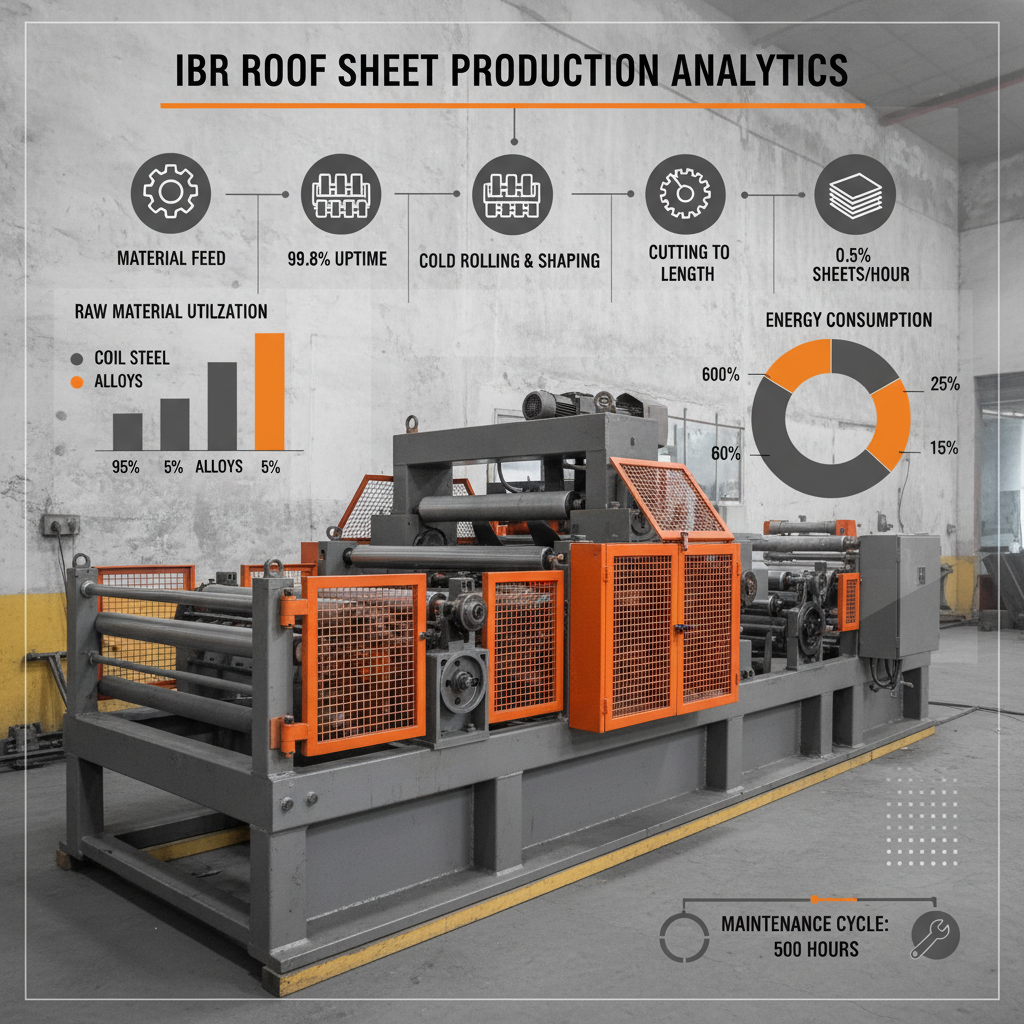
Evaluating the performance of an ibr roof sheet making machine goes beyond simply measuring output. Several KPIs are critical for assessing efficiency, quality, and overall cost-effectiveness. These are things I look at every single day on the shop floor.
One key metric is production speed – how many meters of ibr sheets can be produced per hour. Another is material yield – minimizing waste through precise cutting and efficient coil utilization. Equally important is the defect rate – the percentage of sheets that don't meet quality standards. Finally, overall equipment effectiveness (OEE) is a holistic measure that considers availability, performance, and quality.
ibr Roof Sheet Making Machine Performance Metrics
Global Applications and Industry Impact
The applications of ibr roofing sheets, and consequently the impact of ibr roof sheet making machine, are incredibly diverse. In post-disaster relief operations, the speed and efficiency of production are vital for providing temporary and permanent shelter. In remote industrial zones, where transportation costs are high, having local production capacity is a game-changer.
Agricultural buildings – barns, storage facilities – benefit from the durability and affordability of ibr sheets. Commercial warehouses and factories rely on their strength and weather resistance. Even residential construction is increasingly utilizing ibr sheets for roofing and cladding, especially in regions where cost-effectiveness is a priority.
Advantages and Long-Term Value Proposition
Investing in an ibr roof sheet making machine offers a compelling long-term value proposition. Beyond the immediate cost savings from reducing reliance on external suppliers, it fosters greater control over quality, production schedules, and material specifications. This level of control translates directly into increased profitability and customer satisfaction.
From a sustainability perspective, local production reduces transportation emissions and supports local economies. And, from a social impact standpoint, it creates jobs and empowers communities. It’s a win-win across the board. It’s about building more than just roofs; it’s about building a more sustainable and resilient future.
Future Trends and Technological Advancements
The future of ibr roof sheet making machine is leaning toward increased automation, integration with smart manufacturing systems, and the use of more sustainable materials. We're seeing a growing trend toward machines equipped with sensors and data analytics, allowing for predictive maintenance and optimized production processes.
Furthermore, research is underway to develop steel alloys with higher strength-to-weight ratios and improved corrosion resistance. The integration of renewable energy sources – solar panels incorporated directly into the roofing sheets – is another exciting development. Digitalization is changing the game.
Ultimately, the goal is to create machines that are more efficient, more sustainable, and more adaptable to the evolving needs of the construction industry. It’s a dynamic field, and those who embrace innovation will be best positioned for success.
Analysis of Key Factors Affecting the Efficiency of ibr Roof Sheet Making Machines
| Material Quality |
Operator Skill Level |
Maintenance Schedule Adherence |
Machine Automation Level |
| High-quality steel leads to fewer defects and increased sheet strength. |
Experienced operators minimize errors and optimize production speed. |
Regular maintenance prevents breakdowns and extends machine lifespan. |
Higher automation reduces labor costs and improves consistency. |
| Poor steel quality results in weak sheets and increased waste. |
Untrained operators can cause damage and reduce efficiency. |
Neglecting maintenance leads to frequent breakdowns and costly repairs. |
Low automation requires more manual labor and increases the risk of errors. |
| Consistent material grade ensures uniform sheet properties. |
Continuous training improves operator proficiency and adaptability. |
Proactive maintenance anticipates and prevents potential issues. |
Integrated sensors and data analysis optimize machine performance. |
| Variations in steel thickness affect sheet flatness and durability. |
Lack of operator understanding hinders troubleshooting and problem-solving. |
Reactive maintenance results in unplanned downtime and increased costs. |
Manual adjustments require more time and precision. |
| Certified steel suppliers guarantee material compliance. |
Regular skill assessments identify areas for improvement. |
Detailed maintenance logs track repairs and prevent recurrence. |
Remote monitoring enables proactive adjustments and troubleshooting. |
| Using recycled steel promotes sustainability and reduces costs. |
Cross-training operators enhances flexibility and resilience. |
Implementing a preventative maintenance schedule maximizes uptime. |
Real-time data visualization provides insights into machine performance. |
FAQS
The payback period varies significantly depending on production volume, local market prices, and operating costs. However, a well-utilized machine can often pay for itself within 2-4 years. Factors influencing this include steel coil costs, labor expenses, and the volume of roofing sheets sold. Careful market analysis and a realistic production plan are crucial for accurate projections. The reduced reliance on importing is a significant cost saving.
While modern machines are increasingly automated, a foundational understanding of mechanical and electrical systems is essential. Operators require training on machine controls, troubleshooting common issues, and performing routine maintenance tasks. A dedicated maintenance technician with experience in roll forming is highly recommended. We often provide comprehensive training programs with our machines.
Most ibr roof sheet making machine are designed to handle galvanized steel, galvalume steel, and pre-painted steel coils. The steel thickness typically ranges from 0.35mm to 0.8mm. It’s important to verify the machine’s specifications to ensure compatibility with the chosen steel grade and thickness. Using the wrong material can damage the rollers and affect the sheet quality.
Safety is paramount. Operators must wear appropriate personal protective equipment (PPE), including safety glasses, gloves, and steel-toe boots. Emergency stop buttons should be readily accessible. Regular safety inspections and adherence to established safety protocols are crucial. Proper guarding around moving parts is also essential to prevent accidents.
Production capacity varies based on the machine’s specifications, steel coil thickness, and operator skill. However, a standard machine can typically produce between 60 and 120 meters of ibr roofing sheets per hour. This translates to a significant output, enabling manufacturers to meet substantial demand efficiently. It's important to consider the length of sheets being produced as well.
We offer comprehensive after-sales support, including installation assistance, operator training, and ongoing technical support. Our machines come with a standard one-year warranty covering defects in materials and workmanship. Extended warranty options are also available. We maintain a stock of spare parts to minimize downtime and ensure prompt repairs.
Conclusion
The ibr roof sheet making machine represents a powerful solution to the global demand for affordable, durable, and readily available roofing materials. From empowering local economies to enhancing disaster preparedness, its impact is far-reaching. Understanding its components, operational factors, and future trends is crucial for anyone involved in the construction industry. The advantages of in-house production – cost control, quality assurance, and supply chain resilience – are undeniable.
Looking ahead, the future of this technology lies in increased automation, sustainable materials, and integration with smart manufacturing systems. Investing in an ibr roof sheet making machine isn’t just about acquiring equipment; it’s about investing in a more resilient, sustainable, and prosperous future. For more information and to explore our range of machines, visit our website: www.hyrollformingmachine.com.