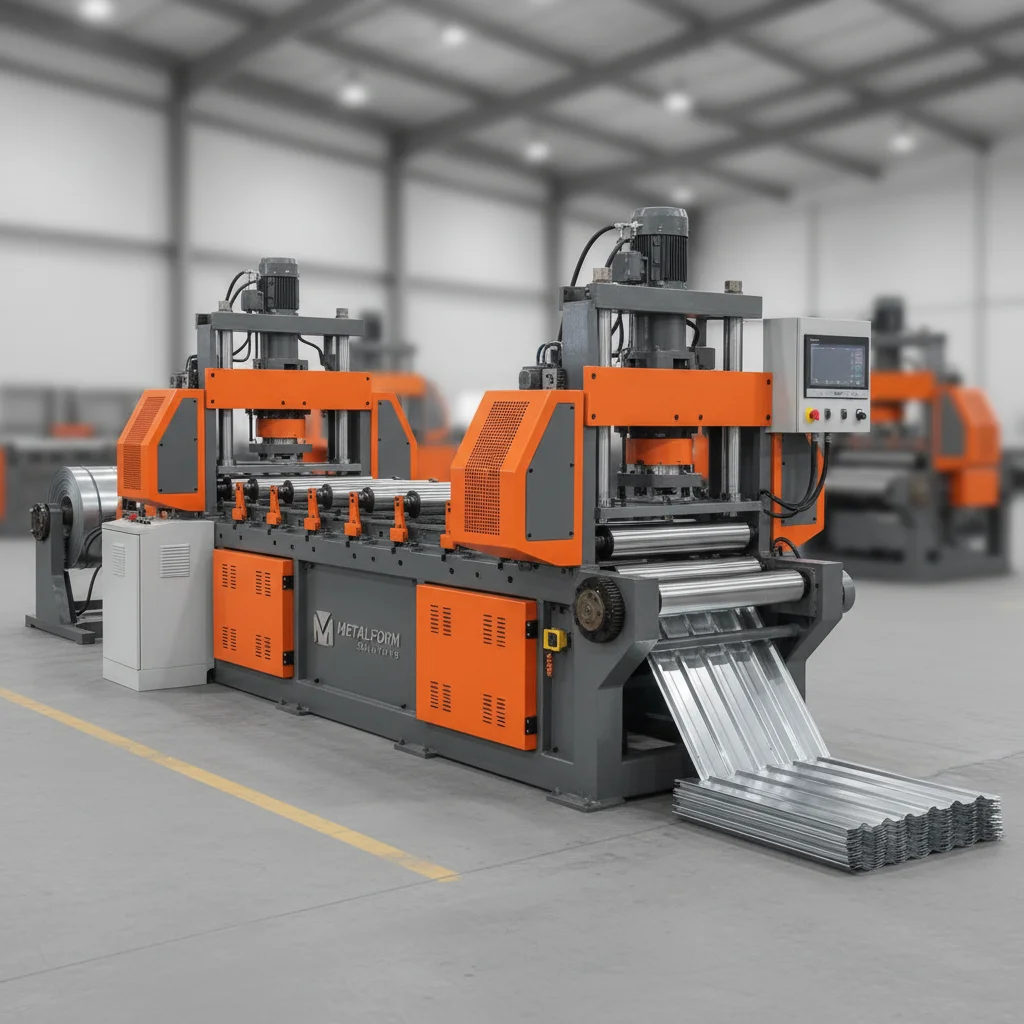
The demand for durable, cost-effective, and quickly deployable roofing solutions is growing globally, driven by factors like increasing urbanization, climate change, and a rise in disaster-prone regions. A metal roofing machine isn’t just a piece of equipment; it’s a key component in building resilient infrastructure and providing safe shelter. We’re seeing a shift away from traditional roofing materials towards metal, not just because of its lifespan, but also because it’s inherently sustainable and offers design flexibility. From sprawling industrial complexes to residential developments and even emergency relief shelters, metal roofing is becoming the go-to choice for builders who need reliability and longevity.
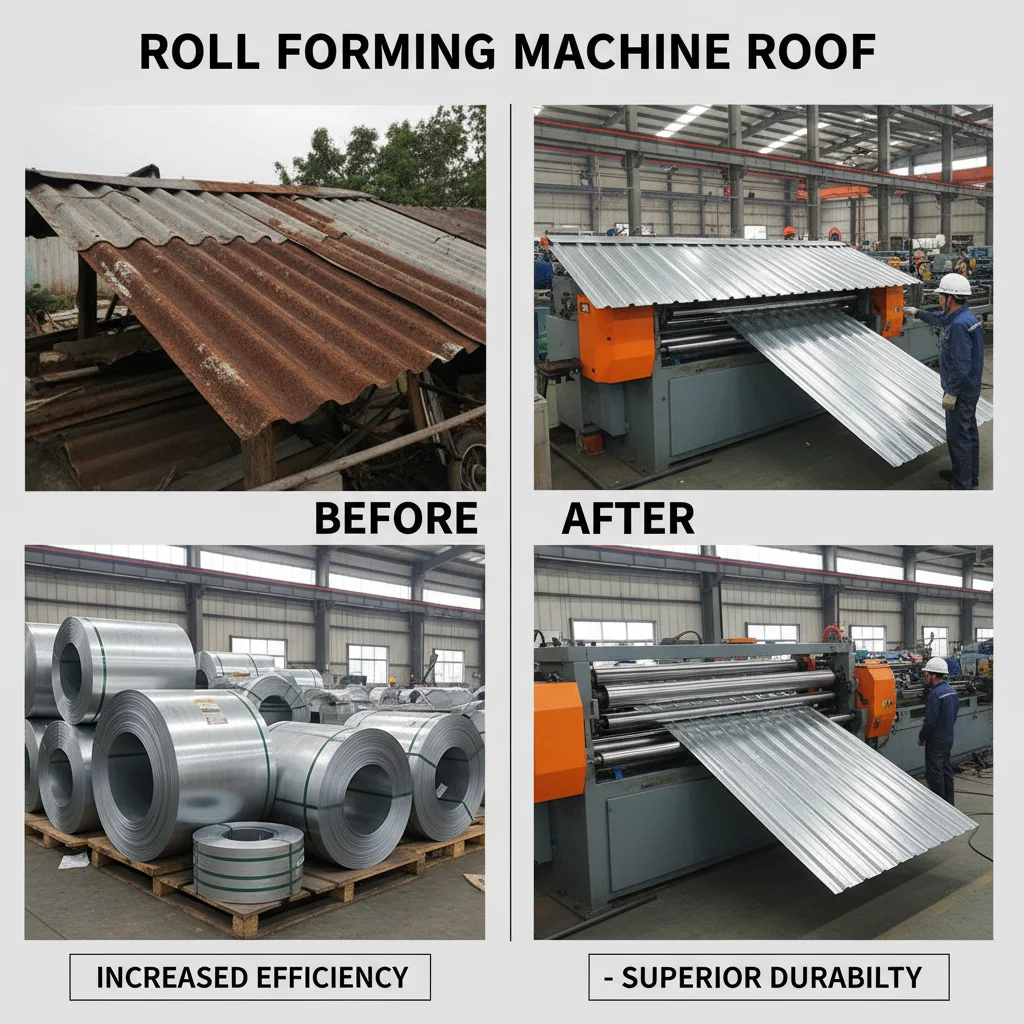
I’ve spent enough time on construction sites to know that time is money, and efficiency is everything. Delays in roofing installation translate directly into project overruns. A good metal roofing machine solves a lot of these headaches. Modern machines are capable of producing consistent, high-quality metal roofing panels on-site, reducing lead times, minimizing waste, and improving overall project workflow. It’s about getting the job done right, the first time, without unnecessary complications.
The real game-changer isn’t just having a machine, it’s having one that’s adaptable. We’re seeing a lot more customized designs and a demand for varied panel profiles. A versatile metal roofing machine needs to be able to handle different gauges of metal, produce a range of profiles, and integrate with modern building information modeling (BIM) systems. That’s what separates the good machines from the great ones.
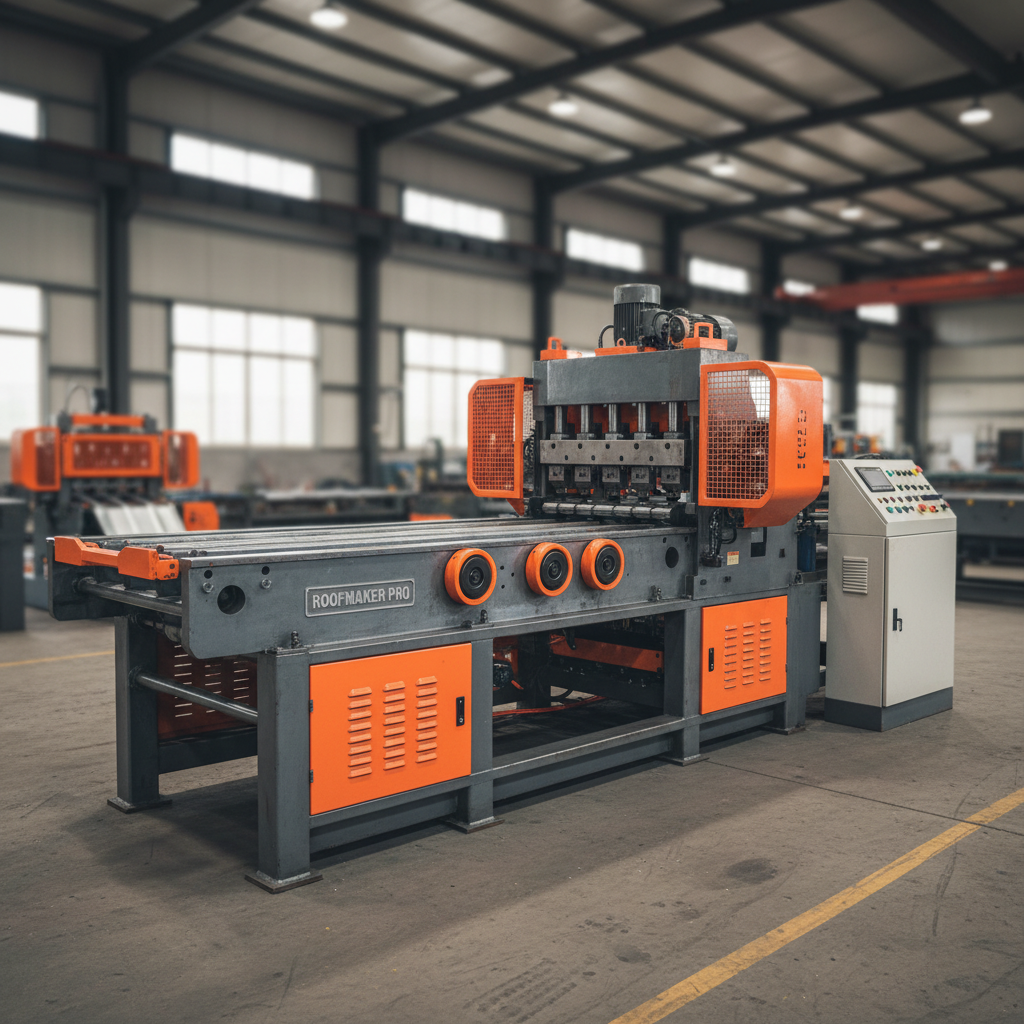
The Growing Importance of metal roofing machine
You've got to understand, construction is evolving. We’re building bigger, faster, and with a greater emphasis on sustainability. That’s where a high-quality metal roofing machine comes in. It's not just about banging out panels; it's about streamlining the entire roofing process. The demand for metal roofing is skyrocketing, driven by its durability, fire resistance, and increasingly, its recyclability. We’re seeing this trend globally, from North America and Europe to rapidly developing economies in Asia and Africa.
The UN estimates that the global population will reach nearly 10 billion by 2050, placing immense strain on housing and infrastructure. Quickly deployable, durable roofing solutions are going to be critical. Metal roofing, produced efficiently with a robust metal roofing machine, offers a scalable solution to meet this growing need. It's not just about building more homes; it's about building them to last, and minimizing the environmental impact.
Defining the metal roofing machine
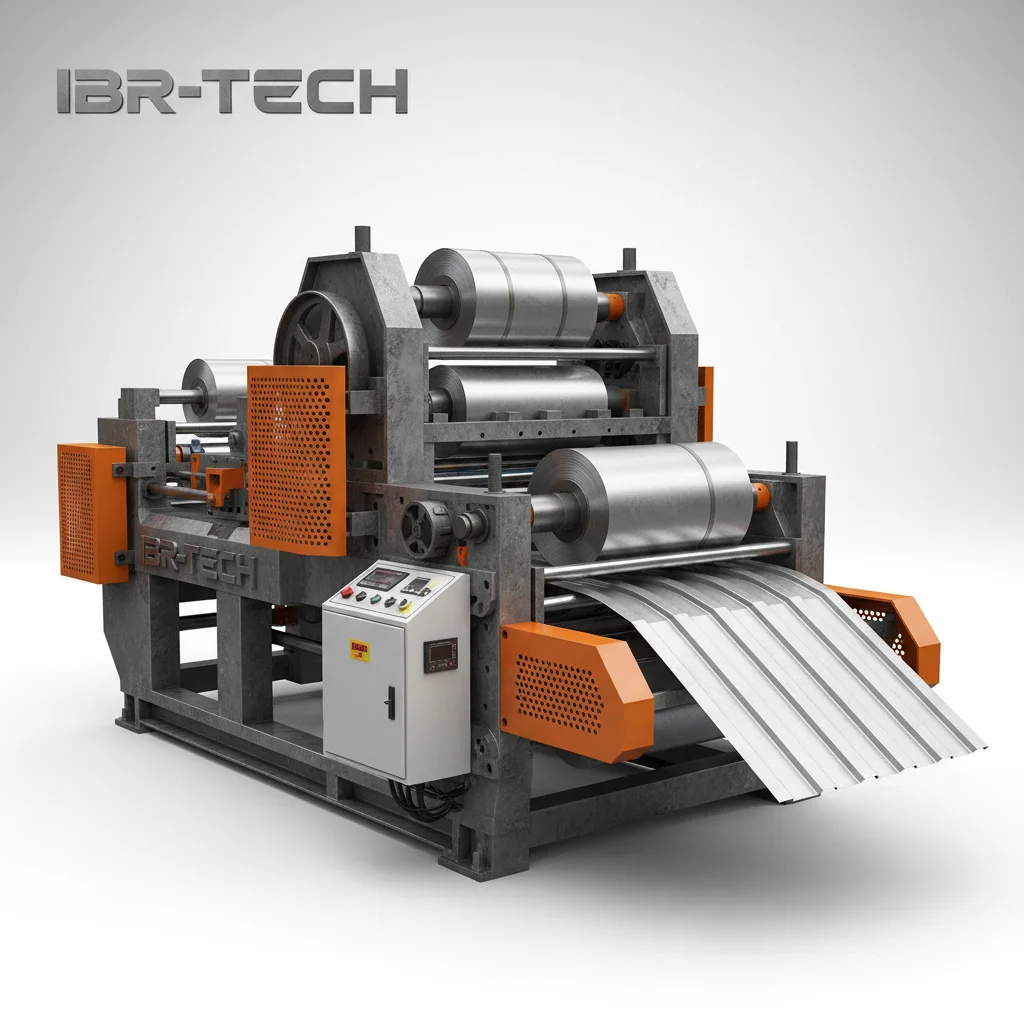
Simply put, a metal roofing machine is a specialized piece of equipment designed to continuously shape flat metal coils into profiled roofing sheets. It takes a raw material and transforms it into a finished product ready for installation. But it's far more sophisticated than just a bending machine. Modern machines incorporate computer-controlled systems, automated cutting and stacking features, and precise tooling to ensure consistent quality and minimize waste.
In the context of modern industry, it's a cornerstone of off-site construction. You can pre-fabricate roofing panels in a controlled environment, reducing on-site labor, minimizing weather delays, and improving overall project efficiency. This ties directly into the principles of lean construction and just-in-time delivery. It's about optimizing the entire building process, not just one isolated step.
From a humanitarian perspective, a portable metal roofing machine can be deployed to disaster areas to quickly produce roofing materials for emergency shelters. That’s a massive impact. The ability to create shelter on-site, using locally sourced materials where possible, is invaluable in providing immediate relief and long-term housing solutions.
Core Components and Operational Principles
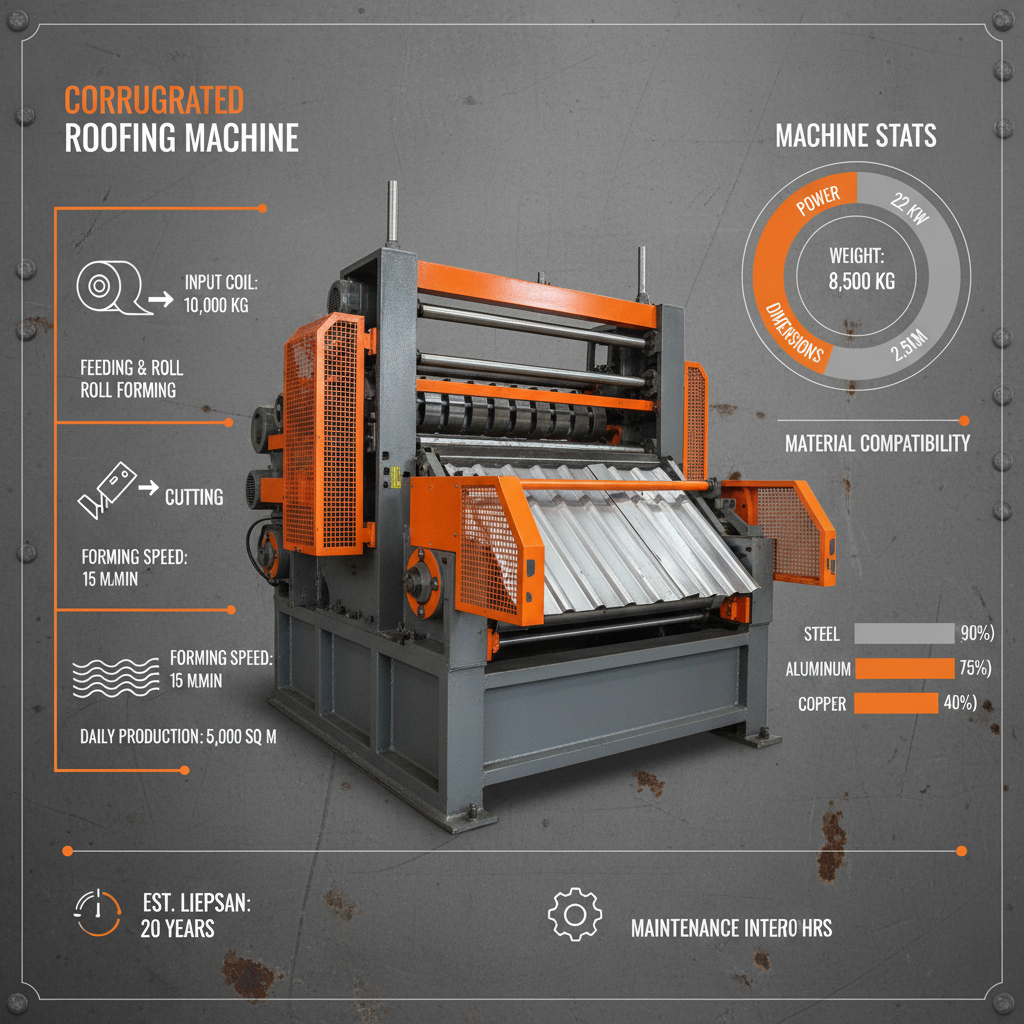
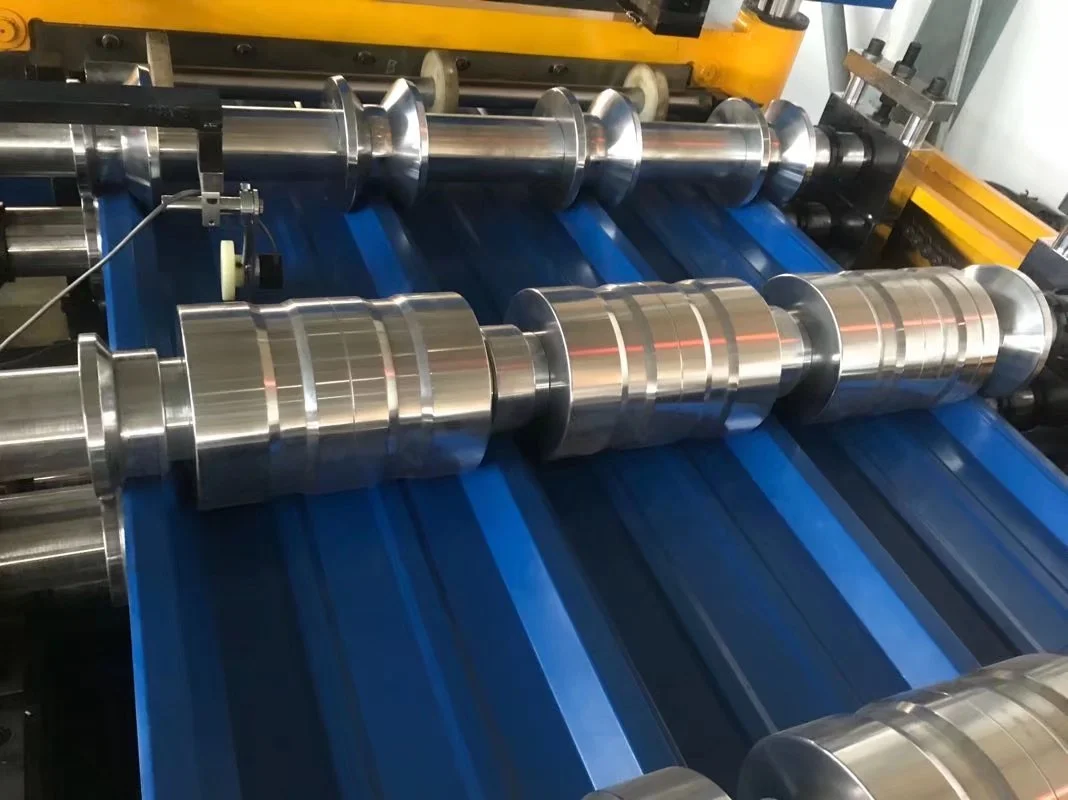
The heart of any metal roofing machine is its roll forming system. This consists of a series of rollers, each precisely shaped to incrementally bend the metal coil into the desired profile. The control system, typically PLC-based, manages the speed, tension, and alignment of the metal as it passes through the rollers. The quality of the steel used in these rollers is critical for longevity and accuracy.
Beyond the roll forming system, you have the uncoiler, which feeds the metal coil into the machine, and the cutter, which precisely shears the finished panels to length. Automated stacking systems are also common, streamlining the process of handling and transporting the completed panels. The integration of sensors and feedback loops is key to maintaining consistent quality and preventing errors.
Finally, there's the control panel, where operators monitor and adjust machine settings. Modern machines often feature touchscreen interfaces and remote access capabilities, allowing for real-time diagnostics and adjustments. Proper training and maintenance are crucial for ensuring optimal performance and minimizing downtime.
Key Performance Indicators for metal roofing machine
When I'm evaluating a metal roofing machine, I'm not just looking at the specs on paper. I'm looking at real-world performance. One of the first things I assess is production speed – how many linear feet of roofing panel can it produce per hour? But speed isn't everything; you also need to consider the accuracy of the cut lengths and the consistency of the panel profiles.
Another critical KPI is material utilization. Waste is money, plain and simple. A well-designed machine should minimize scrap and maximize the use of the metal coil. We also look at uptime and maintenance requirements. Downtime costs us money, so we need a machine that’s reliable and easy to maintain.
Metal Roofing Machine Performance Metrics
Real-World Applications Across Industries
You see metal roofing machines in action everywhere. In large-scale industrial projects, they’re essential for quickly roofing massive warehouses and manufacturing facilities. The speed and efficiency are unmatched. In the residential sector, they’re used to produce roofing panels for new homes and renovations.
We’ve even deployed portable machines to remote construction sites in developing countries, where access to traditional roofing materials is limited. That’s where the real impact is felt. It’s about empowering local communities and providing them with sustainable building solutions.
Advantages and Long-Term Value Proposition
The biggest advantage of using a metal roofing machine, from my perspective, is the reduction in overall project costs. Less labor, less waste, and faster installation all translate into significant savings. But it's not just about the upfront costs.
Metal roofing is incredibly durable and requires minimal maintenance, leading to long-term cost savings for building owners. It's also a sustainable choice, as metal is highly recyclable. That's becoming increasingly important as we move towards a more circular economy. And let’s not forget the peace of mind knowing you’ve got a roofing system that can withstand extreme weather conditions.
Future Trends and Technological Advancements
We’re seeing a lot of innovation in the metal roofing machine space. Automation is a big one, with manufacturers incorporating robotic systems to further streamline the production process. Digital integration is also key, with machines now able to connect to BIM software and share data in real-time.
I anticipate we’ll see more machines capable of producing hybrid roofing panels, combining the benefits of metal with other materials like solar panels or insulation. The drive towards sustainable building practices will continue to push innovation in this sector. And the demand for customized roofing solutions will only increase.
Challenges and Solutions
One of the biggest challenges is dealing with variations in metal coil quality. Inconsistent gauge or surface imperfections can cause production issues and compromise the quality of the finished panels. That’s why proper material sourcing and quality control are so critical.
Another challenge is the complexity of maintaining these machines. They’re sophisticated pieces of equipment, and require skilled technicians to diagnose and repair any problems. Remote diagnostics and preventative maintenance programs are becoming increasingly popular solutions.
Finally, the initial investment can be significant. However, the long-term cost savings and increased efficiency typically outweigh the upfront costs. Leasing and financing options are also available to make these machines more accessible to smaller businesses.
Key Operational Considerations for Metal Roofing Machines
| Material Compatibility | Maintenance Frequency | Operator Skill Level | Production Output Rate |
|---|
| Galvanized Steel | Monthly Inspection | Intermediate | 60 ft/min |
| Aluminum | Bi-Annual Servicing | Advanced | 75 ft/min |
| Galvalume | Quarterly Check-up | Beginner | 50 ft/min |
| Stainless Steel | Annual Overhaul | Advanced | 40 ft/min |
| Corten Steel | Semi-Annual Lubrication | Intermediate | 65 ft/min |
| Zinc | Preventive Maintenance | Expert | 55 ft/min |
FAQS
A well-maintained metal roofing machine can last 15-20 years or even longer. The key is regular maintenance, including lubrication, inspections, and timely replacement of worn parts. The quality of the initial build also plays a significant role. Investing in a machine from a reputable manufacturer is crucial for long-term reliability. Proper operation and operator training are also vital to maximize the machine's lifespan and prevent premature wear and tear.
Most metal roofing machines are designed to work with a variety of metals, including galvanized steel, galvalume, aluminum, and even some types of stainless steel and copper. However, the specific metal types and gauges that a machine can handle will vary depending on its design and capabilities. It’s essential to check the manufacturer's specifications to ensure compatibility. Using the wrong metal or gauge can damage the machine and void the warranty.
The amount of training required will depend on the complexity of the machine and the operator's prior experience. Generally, operators will need training on machine setup, operation, safety procedures, and basic maintenance. Reputable manufacturers typically offer comprehensive training programs. It's essential that operators are thoroughly trained to ensure safe and efficient operation and to prevent damage to the machine or injury to themselves.
The power consumption of a metal roofing machine varies significantly depending on its size, capacity, and features. Smaller, portable machines may require only 10-15 kilowatts, while larger, high-production machines can consume 50 kilowatts or more. It's important to consider power consumption when planning your facility layout and electrical infrastructure. Energy-efficient models are also available, which can help reduce operating costs.
Safety is paramount when operating a metal roofing machine. Operators should always wear appropriate personal protective equipment (PPE), including safety glasses, gloves, and hearing protection. It's crucial to follow all safety procedures outlined in the machine's manual. Keep hands and other body parts away from moving parts, and ensure that all safety guards are in place. Regular safety inspections and training are also essential to prevent accidents.
A regular maintenance schedule is vital to keep your metal roofing machine running smoothly. This typically includes daily inspections, weekly lubrication, monthly cleaning, and annual servicing by a qualified technician. Specific maintenance tasks will vary depending on the machine model and operating conditions. Refer to the machine's manual for detailed maintenance instructions and recommendations. Proactive maintenance can prevent costly breakdowns and extend the life of your machine.
Conclusion
In conclusion, a metal roofing machine represents a significant investment in efficiency, durability, and sustainability for any construction operation. From reducing material waste and installation time to providing long-lasting roofing solutions, the benefits are substantial. It’s not just about the machine itself; it’s about a holistic approach to roofing that prioritizes quality, cost-effectiveness, and environmental responsibility.
Looking ahead, we’ll continue to see innovation in this space, driven by the demand for more automated, integrated, and sustainable roofing solutions. Investing in a modern metal roofing machine isn't just about meeting today's needs; it's about preparing for the future of construction. For more information and to explore our range of metal roofing machines, visit our website at www.hyrollformingmachine.com.